Sri Lankan Moringa · Moringa oleifera
Moringaleaf products specified for export.
Sri Lankan Moringa oleifera for buyers sourcing dried leaves or leaf powder — with botanical identity, cut or particle size, moisture, microbiological and contaminant controls, packing and destination defined before quotation.
A conservative food-ingredient sourcing route focused on identity, processing and evidence rather than medicinal or unsupported nutrition claims.


01 · Choose the leaf form
Dried leaf to powder.Different process controls.
Keep the raw material constant — Moringa oleifera leaf — while specifying how far it has been dried, cut, sifted or milled.

Dried moringa leaves
Whole or cut dried leaves can be specified by leaf condition, cut or sift, foreign matter, moisture, hygiene controls and packing.

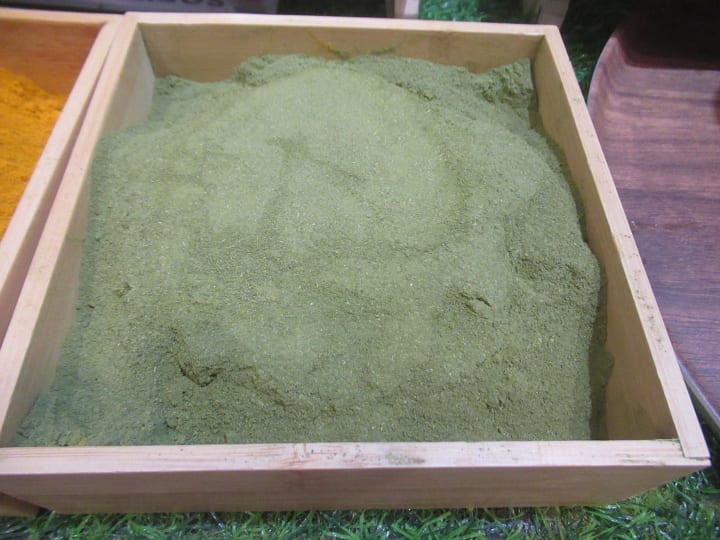
Moringa leaf powder
Ground leaf powder shifts control toward raw-material identity, particle size, moisture, microbiological criteria, contaminants and barrier packaging.
Buyer-specified leaf cut
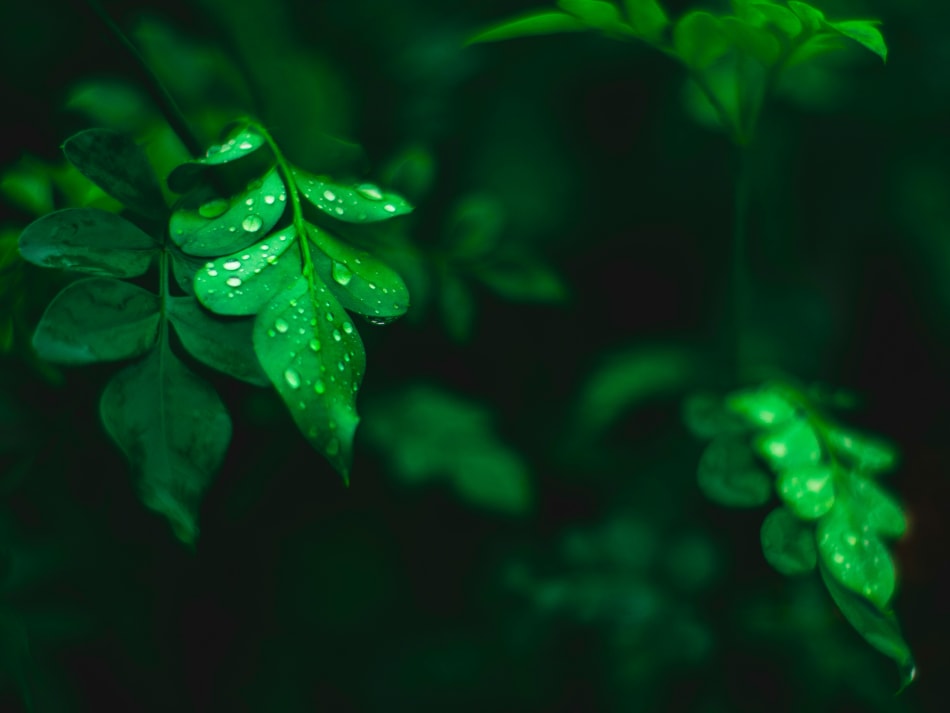
For tea, infusion, blending or further processing, buyers can define a cut or sifted leaf presentation between whole dried leaf and fine powder, subject to source capability.
Forms guide the sourcing brief. Current source, processing capability and lot availability are confirmed against the enquiry.
02 · Botanical & origin context
Moringa oleifera.Specify the leaf.
The commercial scope is the leaf of Moringa oleifera Lam., sourced from Sri Lanka and supplied as dried leaf, buyer-specified cut leaf or leaf powder.
Sri Lanka's Department of Commerce has highlighted Moringa as an export opportunity. CeyLanka handles that opportunity through identity, processing, testing and destination evidence rather than medicinal positioning.
Department of Commerce · Moringa trade insight
03 · Standards & compliance status
Applicable food controls.No invented standard.
The current Codex catalogue does not list a dedicated commodity standard for Moringa leaf powder. The product still sits inside the applicable hygiene, contaminant, labelling, residue and destination-country framework.
The current Codex standards list does not contain a commodity standard specifically titled for Moringa oleifera leaf or leaf powder.
Codex General Principles of Food Hygiene provide the overarching hygiene and HACCP framework relevant to food processing and handling.
Codex General Standard for Contaminants and Toxins in Food and Feed provides the general international contaminant framework where applicable.
Buyer limits should come from the intended product category and destination, then be written into the commercial specification and test plan.
Current Codex standards04 · Product control
Drying protects the leaf.Milling changes the risk profile.
Dried leaves preserve more visual evidence. Powder needs tighter control of source identity, milling hygiene, particle size, contaminants and packaging.

Leaf condition remains visible.
Define cut or sift, moisture, colour or visual expectations, foreign matter, drying conditions, microbiological requirements and protective packing.

Powder needs stronger processing evidence.
Specify leaf-only raw material, particle size, moisture, microbial and pathogen controls, residues, heavy metals, mycotoxins and barrier packaging according to market need.
05 · Buyer specification
Build the briefbefore the quote.
Turn “Sri Lankan Moringa” into a measurable leaf-product requirement that the source, processor, laboratory and destination route can be checked against.
Product form
State dried whole/cut leaf, sifted leaf or leaf powder. Add intended application and any cut, mesh or particle-size requirement.
Physical quality
Define colour or visual condition where relevant, foreign/extraneous matter limits, cut uniformity and any buyer-specific sensory acceptance criteria.
Moisture & processing
Set the required moisture limit or target, drying expectations, milling controls and any treatment requirements using an agreed analytical method.
Food-safety testing
Specify microbiological and pathogen criteria plus pesticide residues, heavy metals, mycotoxins or other contaminants according to product, buyer and destination.
Packing & logistics
State bulk or retail route, unit weight, liner or moisture/oxygen barrier, destination, delivery window and Incoterm or named place if known.
Evidence & claims
List CoA, laboratory results, traceability, origin, treatment or buyer documents required. Any nutrition, organic, health or functional claim must be independently substantiated and legally permitted.
Botanical identity and leaf-only raw material should be traceable.
General Codex hygiene and HACCP principles provide the overarching food-safety framework.
Use applicable Codex and destination limits rather than invented Moringa-specific values.
Nutrition, health, organic and functional claims require evidence and legal permission.
Trade classification: Moringa leaf, dried plant material and powder can classify differently depending on form, processing and declared use. Confirm the final HS code for the actual shipment rather than hard-coding one here.
06 · From enquiry to quote
Identity and testingbefore commercial promise.
A quotation is built from the exact leaf form, processing route, sample or lot evidence and destination requirements.
- 01Define
Leaf form, cut or particle size, quality, quantity, pack and destination.
- 02Match
Identify a Sri Lankan source and drying or milling route capable of the requirement.
- 03Verify
Check botanical identity, sample or lot condition, test results, traceability and documents.
- 04Route
Resolve destination classification, food-safety, packing, logistics and commercial requirements.
- 05Quote
Build the quotation from the verified Moringa requirement and route.
Include form, cut or mesh, moisture and food-safety criteria, quantity, pack, destination, intended use and required documents.
Request Moringa Quote07 · Buyer questions
Useful answersbefore you enquire.
Which Moringa species is this page about?
The sourcing scope is Moringa oleifera Lam. Botanical identity should be confirmed in the commercial specification and traceability evidence.
Does Codex have a dedicated Moringa leaf-powder standard?
A dedicated Moringa commodity standard is not listed in the current Codex standards catalogue used for this page. General Codex hygiene, contaminant, labelling and pesticide-residue rules may still be relevant.
Why separate dried leaf from leaf powder?
Grinding removes much of the visual evidence available in dried leaves and adds milling-related controls. Powder therefore needs a clearer raw-material basis, particle requirement, microbiological controls and protective packaging.
Can CeyLanka make health or medicinal claims for Moringa?
This buyer page does not make medicinal claims. Any nutrition, health, supplement or functional claim must be supported by appropriate evidence and permitted under destination-market law.
What food-safety tests can buyers request?
The test panel depends on product and market, but buyers commonly define microbiological criteria, pathogens, pesticide residues, heavy metals, mycotoxins and moisture.
What should I include in a Sri Lankan Moringa RFQ?
Send the form, cut or particle size, moisture and food-safety criteria, quantity, packing, destination and intended use. Add treatment, traceability, certification or market-specific requirements where relevant.
Botanical image: Moringa oleifera tree and seed pods · Prof. Chen Hualin · CC BY-SA 4.0.
Related Sri Lankan botanicals
Continue throughBotanicals.

Gotu Kola
Gotu Kola enquiries handled with intended use, form, quality, testing, packaging and destination in view.
Explore product
Sri Lankan Herbs
A buyer-led route for Sri Lankan herbs not represented by a dedicated product family page.
Explore product
Ceylon Tea
Ceylon Tea sourcing structured around tea type, manufacturing style, grade or cup brief, packing, documentation and destination, with protected marks and regional claims used only when eligible.
Explore product