
Ceylon Tea · Camellia sinensis · Sri Lanka
Ceylon Teaspecified by type, grade and cup.
Sri Lankan tea for buyers sourcing black, green or white Ceylon Tea — with manufacture, grade, sensory profile, moisture, food-safety controls, packing and destination defined before quotation.
A buyer-focused route for importers, tea brands, blenders, food-service buyers and private-label programmes sourcing tea of Sri Lankan origin.

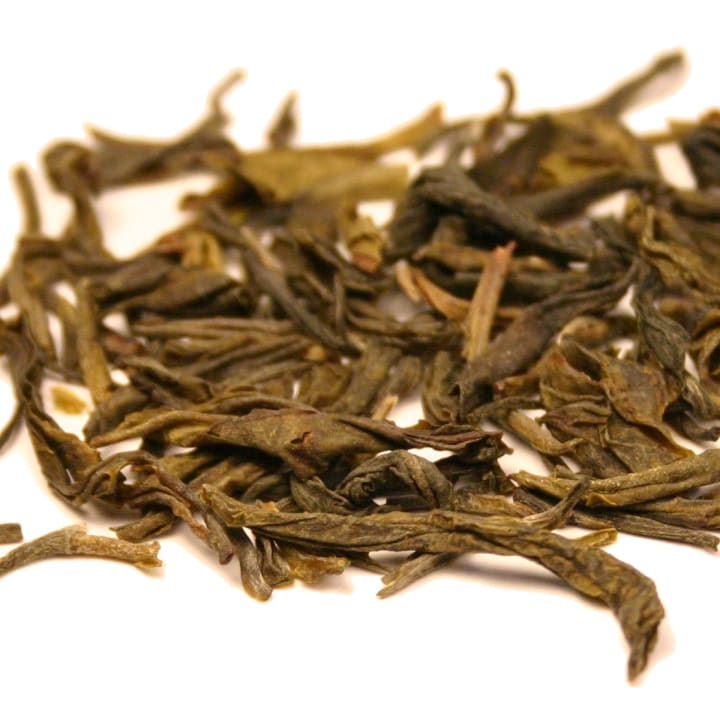

01 · Choose the tea type
Black, green or white.Start with manufacture.
The current Sri Lanka Tea Board specification recognises three main Ceylon Tea product families. Type and manufacture come before grade, cup and packing.

Ceylon Black Tea
Sri Lanka Tea Board specifications recognise orthodox leafy, orthodox-rotorvane and CTC black tea. Grade, leaf style, liquor, sensory profile, moisture and destination requirements should be stated in the brief.

Ceylon Green Tea
Green tea is a separately recognised Ceylon Tea type. Buyers can specify style and grade, cup character, moisture, food-safety controls, packing and any market-specific requirements.

Ceylon White Tea
White tea includes Silver Tips and Golden Tips in the Sri Lanka Tea Board specification. These premium styles should be specified by exact type, physical presentation, cup profile, packing and evidence required.
Tea type and grade guide the enquiry. Current source, manufacture and lot availability are confirmed against the buyer brief.
02 · Origin & identity
100% Sri Lankan origin.That is what Ceylon Tea means.
Sri Lanka Tea Board defines Ceylon Tea as tea derived from Camellia sinensis cultivated and processed in the defined geographical area of Sri Lanka.
The Board also states that Ceylon Tea is 100% from that Sri Lankan origin. For sourcing, origin should still be paired with exact tea type, manufacture, grade, cup profile, testing and packing.
Sri Lanka Tea Board · Why Ceylon Tea
03 · Manufacture & grade reference
Tea type changesprocessing and grade language.
Black, green and white teas are not interchangeable labels. The Tea Board specification defines different processing routes and grade systems for each family.
Examples in the Tea Board specification include BOP, BOP SP, BOPF, BOPF SP, FBOP and Pekoe, alongside other listed grades.
Examples include BP1, BPS, PF1, OF, PD and D1, with separate off-grade definitions also listed by the Tea Board.
Examples include Gun Powder, Green Tea OP, Sencha, Matcha, Chun Mee, Young Hyson and other defined grades.
The Tea Board specification identifies Silver Tips and Golden Tips as white-tea grades.
The Tea Board specification states that sorting grades tea by size, shape and density. Grade should therefore be used together with manufacture and cup profile, not as a universal quality score.
Ceylon Tea specification04 · Cup & product control
Leaf grade is not enough.The cup still has to match.
Commercial matching combines manufacture, grade and physical leaf with sensory evaluation, analytical evidence and destination requirements.

Liquor and aroma are part of buyer approval.
The Sri Lanka Tea Board uses sensory evaluation in tea quality control. A buyer brief can define liquor colour, body, briskness, aroma, astringency and an approved reference sample where appropriate.

Finished tea still needs physical and route controls.
The Tea Board specification sets a factory-gate moisture ceiling of 6.5% wet basis for the end product. Buyer, packing and destination requirements may add further controls.
05 · Buyer specification
Build the briefbefore the quote.
Turn “Ceylon Tea” into a measurable type, manufacture, grade and cup requirement that the source, Tea Board controls, laboratory and logistics route can be checked against.
Tea type & manufacture
State black, green or white tea first. For black tea, add orthodox, orthodox-rotorvane or CTC where relevant. For white tea, identify Silver Tips or Golden Tips if required.
Grade & leaf style
Specify the exact Tea Board grade or desired leaf size, shape and density rather than treating broad labels such as 'premium tea' as a measurable requirement.
Sensory & cup profile
Define desired liquor colour, body, briskness, aroma, astringency and any agreed tasting reference or approval sample used for commercial matching.
Analytical & food safety
Specify moisture, ISO/SLS conformity where relevant, pesticide-residue or MRL requirements, microbiological controls, contaminants and any destination-specific test panel.
Packing & logistics
State bulk or retail route, unit weight, liner or barrier, tea bag or loose-leaf format if relevant, destination, delivery window and Incoterm or named place.
Evidence & controlled marks
List CoA, Tea Board or laboratory evidence, traceability and packing documents required. Lion Logo use must never be assumed; it requires Sri Lanka Tea Board approval.
Current product definition, types, processing, grades, sensory context and origin rules.
Referenced by the Tea Board for qualifying black Ceylon Tea.
Referenced by the Tea Board for qualifying green Ceylon Tea.
Owned by the Sri Lanka Tea Board and usable only after the Board's approval. No approval is implied here.
Trade classification: tea falls under HS heading 0902, with separate headings for green tea and black/partly fermented tea and further Sri Lankan subheadings by origin, flavouring, pack type and net weight. Final declaration classification is shipment-specific.
Tea Board HS-code publications06 · From enquiry to quote
Taste and verifybefore commercial promise.
A quotation is built from the tea type, source, manufacture, grade, tasting or sample evidence, analytical controls and route that can support the buyer requirement.
- 01Define
Tea type, manufacture, grade, cup, quantity, pack and destination.
- 02Match
Identify Sri Lankan source, manufacture and grade options capable of the buyer brief.
- 03Taste & verify
Evaluate sample or lot cup profile, analytical results, traceability and documents.
- 04Route
Resolve Tea Board, destination, packing, logistics and commercial requirements.
- 05Quote
Build the quotation from the verified tea specification and route.
Include type, manufacture, grade, desired cup, analytical and food-safety requirements, quantity, pack, destination and required documents.
Request Ceylon Tea Quote07 · Buyer questions
Useful answersbefore you enquire.
What tea types are recognised in the current Ceylon Tea specification?
The Sri Lanka Tea Board specification places Ceylon Tea on the market as black tea, green tea and white tea. Black tea includes orthodox leafy, orthodox-rotorvane and CTC manufacture; white tea includes Silver Tips and Golden Tips.
What does 'Ceylon Tea' mean for origin?
Sri Lanka Tea Board states that Ceylon Tea is tea of 100% Sri Lankan origin from the defined geographical area. The Board also states that tea from another origin cannot be blended into a product described as Ceylon Tea.
Does every Ceylon Tea pack automatically qualify for the Lion Logo?
No. The Lion Logo is owned and controlled by the Sri Lanka Tea Board. Its use requires approval and applies to qualifying 100% Ceylon Tea consumer packs under the Board's certification rules. This page does not claim Lion Logo approval for CeyLanka.
Which standards are important for black and green Ceylon Tea?
Sri Lanka Tea Board's current Ceylon Tea specification references ISO 3720 for black tea, ISO 11287 for green tea and SLS 135 alongside Tea Board standards and guidelines.
How should a tea grade be selected?
Grade describes physical sorting characteristics such as size, shape and density, not a universal flavour ranking. The correct grade should be chosen together with manufacture, cup profile, application and price target.
What should I include in a Ceylon Tea RFQ?
Send the tea type, manufacture, grade, desired cup profile, quantity, packing, destination and intended use. Add analytical, pesticide-residue, food-safety, Tea Board, certification or private-label requirements where relevant.
Related Sri Lankan products
Continue throughthe catalogue.

Ceylon Cinnamon
Ceylon cinnamon (Cinnamomum verum) from Sri Lanka for buyer-led sourcing across quills, cut quills, quillings and powder, with each form specified separately.
Explore product
Cardamom
Cardamom sourcing shaped around buyer specification, presentation, pack format and destination requirements.
Explore product
Vanilla
Vanilla enquiries handled through specification, curing/presentation, quantity and destination rather than unsupported stock claims.
Explore product