Sri Lankan Cloves · Syzygium aromaticum
Clovesspecified by bud quality and chemistry.
Sri Lankan cloves for buyers sourcing whole dried flower buds or ground product — with moisture, volatile oil, defects, food-safety controls, packing and destination defined before quotation.
A specification-led sourcing route for importers, food manufacturers, distributors and private-label buyers looking beyond a generic clove listing.

01 · Choose the style
Whole or ground.Different evidence.
Codex recognises dried cloves as whole and ground or powdered. The choice changes what can be inspected visually and which processing controls matter most.
Whole dried cloves
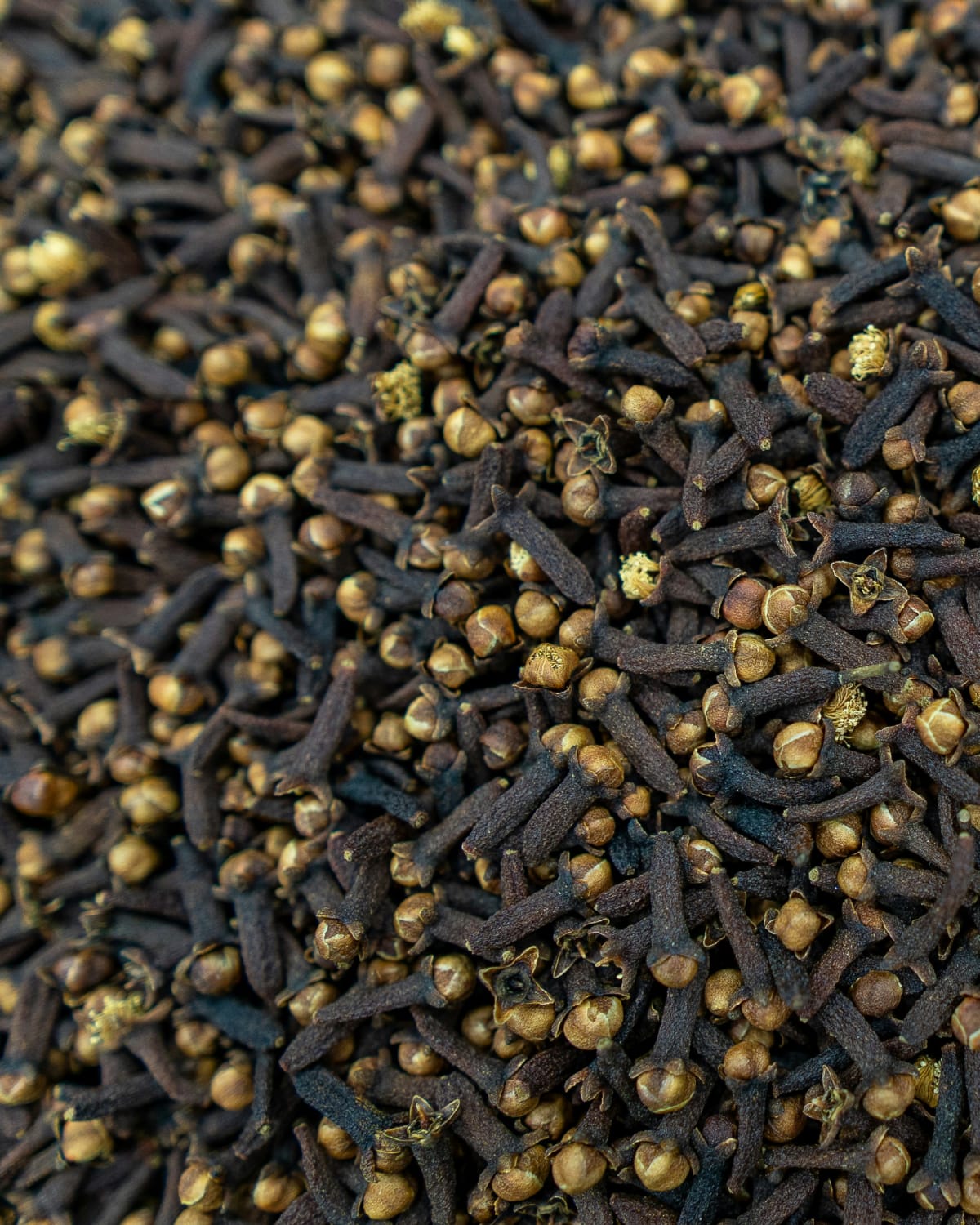
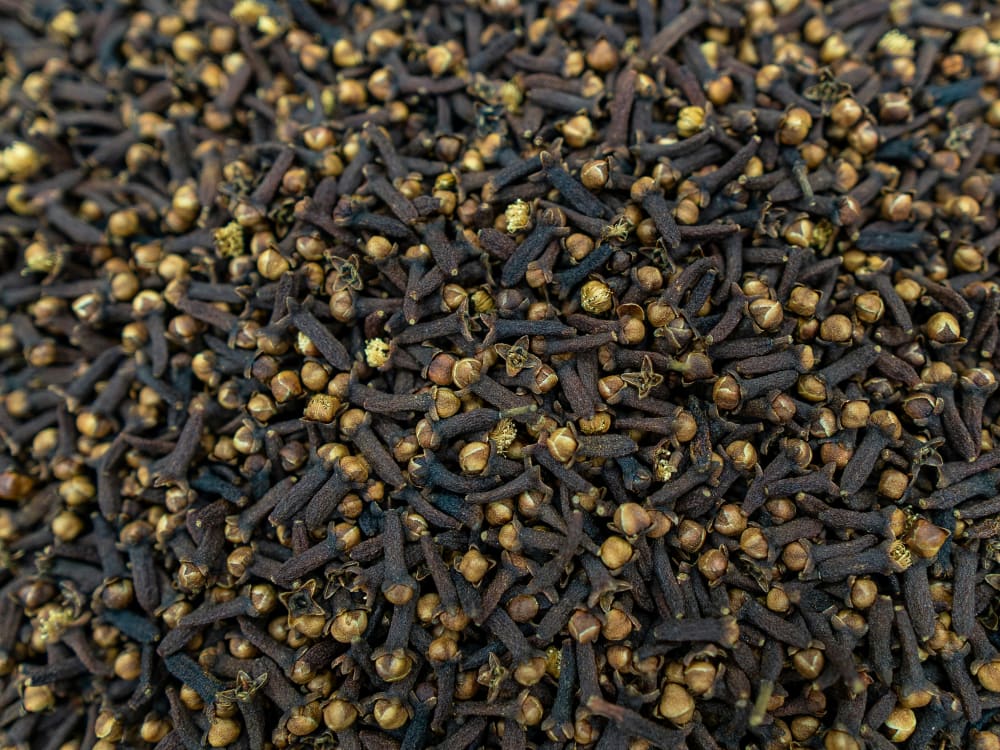
The dried flower bud is the primary commercial style. Bud integrity, headless or fermented cloves, stems or fruits, extraneous matter, moisture and volatile oil can all matter to the buyer.

Ground cloves
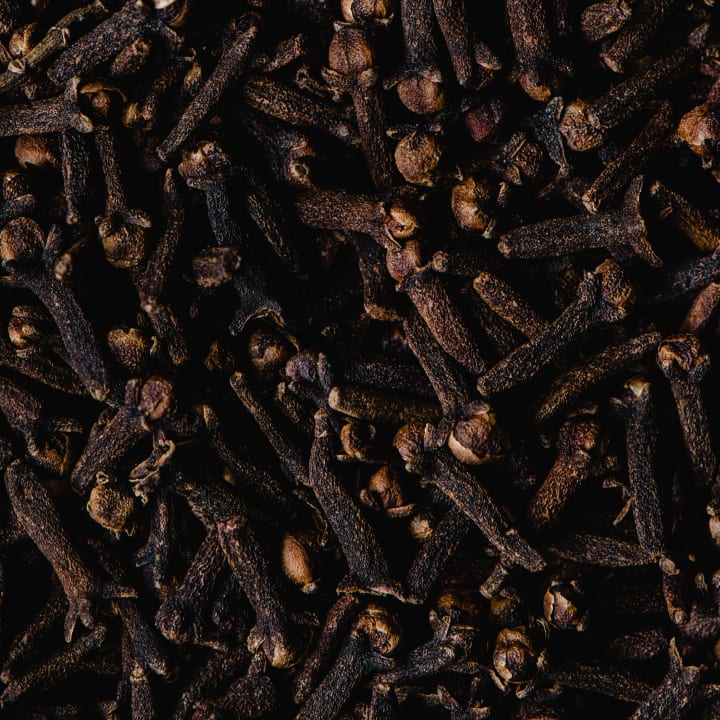
Ground or powdered cloves remove much of the visual evidence available in whole buds, making raw-material control, chemistry, hygiene, grind and barrier packaging more important.
Styles guide the specification. Current source and lot availability is confirmed against the enquiry.
02 · Origin & identity
Dried flower buds.Measured lot quality.
Cloves are the dried floral buds of Syzygium aromaticum. Sri Lanka’s Export Development Board identifies Ceylon Clove as an established spice from the island’s mid-country wet zone.
For procurement, origin and aroma are only the beginning. Whole-bud integrity, fermentation defects, moisture, volatile oil, cleanliness, food safety and processing style determine whether a lot fits the buyer’s application.
EDB · Ceylon Cloves
03 · Codex buyer reference
Whole and groundhave different limits.
Codex CXS 344-2021 gives separate chemical requirements for whole and ground cloves, including moisture and minimum volatile oil.
| Style | Total ash max | Acid-insoluble ash max | Moisture max | Volatile oil min | Crude fibre max |
|---|---|---|---|---|---|
| Whole cloves | 7.0% | 0.5% | 12.0% | 17 ml/100 g | 13.0% |
| Ground cloves | 7.0% | 0.5% | 10.0% | 14 ml/100 g | 13.0% |
These are Codex reference values, not a claim that a current CeyLanka lot already conforms. The source and lot are verified against the agreed buyer specification.
Codex CXS 344-202104 · Product control
Whole buds and powderneed different briefs.
Whole cloves preserve visual evidence of bud integrity and drying. Ground cloves depend more heavily on raw-material control, chemistry, hygiene and protective packaging.

Bud integrity reveals processing quality.
Headless, mother and khoker cloves, stems or fruits, extraneous material, mould, moisture and volatile oil are useful controls for a whole-clove brief.

Grinding shifts control toward chemistry and hygiene.
Define raw-material identity, grind, moisture, volatile oil, ash, microbiological criteria, treatment requirements and the packaging barrier.
05 · Buyer specification
Build the briefbefore the quote.
Turn “Sri Lankan cloves” into a measurable whole-bud or ground-product requirement that the source, processor, laboratory and logistics route can be checked against.
Style & application
State whole dried cloves or ground cloves, the intended food or manufacturing use, and any grind or particle-size requirement for powder.
Whole-bud quality
Define headless, mother or fermented/khoker clove tolerances, stems or fruits, length, extraneous matter, foreign matter and other physical acceptance criteria.
Chemical criteria
Where relevant, specify moisture, volatile oil, total ash, acid-insoluble ash, crude fibre and the required analytical methods.
Food-safety controls
Set microbiological, pathogen, pesticide-residue, heavy-metal, mycotoxin, treatment or contaminant requirements for the buyer and destination.
Packing & logistics
Specify unit weight, inner liner or barrier, bulk or retail format, destination, delivery window and Incoterm or named place if known.
Evidence & documents
List any CoA, laboratory result, traceability, origin, treatment, inspection or buyer-specific documents required for the route.
Current Sri Lanka Standard Specification for clove, whole or ground.
Dried floral parts: cloves, covering whole and ground styles.
Includes oil-extracted cloves, headless cloves, length, stems/fruits, fermented cloves, extraneous matter and moisture.
Codex points dried spices to hygienic practice for low-moisture foods.
Trade classification: EDB lists cloves neither crushed nor ground under 09.07.10, including national subheadings for whole fruit, cloves and stems, and crushed or ground under 09.07.20.00. Final classification remains shipment-specific.
EDB HS-code reference06 · From enquiry to quote
Evidence beforecommercial promise.
A quotation is built from the source, style, sample or lot evidence and route that can support the buyer’s actual clove requirement.
- 01Specify
Style, physical and analytical criteria, quantity, pack and destination.
- 02Match
Identify a source and processing route capable of the whole or ground requirement.
- 03Verify
Check sample or lot quality, defects, test results, traceability and documents.
- 04Route
Resolve destination controls, packing, logistics and commercial terms.
- 05Quote
Build the quotation from the verified clove requirement and route.
Include style, physical defects or grind, analytical and food-safety requirements, quantity, pack, destination and required documents.
Request Cloves Quote07 · Buyer questions
Useful answersbefore you enquire.
What does Codex recognise as the main clove styles?
Codex CXS 344-2021 recognises dried cloves as whole and ground or powdered. The standard identifies the botanical source as Syzygium aromaticum.
What are headless, mother and khoker cloves?
A headless clove has lost its dome-shaped head. A mother clove is the fruit of the clove tree, while a khoker clove is a fermented clove associated with incomplete drying. Codex treats these as measurable whole-clove defects.
Why is volatile oil important in a clove specification?
Volatile oil is one of the chemical characteristics used by Codex for both whole and ground cloves. The relevant minimum depends on product style, so the actual source or lot should be tested against the buyer requirement.
Which Sri Lankan standard covers cloves?
SLS 241:2019 is the current Sri Lanka Standard Specification for clove, whole or ground. SLSI also lists testing for oil-extracted cloves, headless cloves, length, stems and fruits, fermented cloves, extraneous matter and moisture.
Why should ground cloves be handled separately from whole cloves?
Grinding removes much of the visual evidence available in whole buds and increases the importance of raw-material identity, grind, analytical values, hygiene controls and protective packaging.
What should I include in a Sri Lankan cloves RFQ?
Send the style, whole-bud defect limits or grind requirement, analytical and food-safety criteria, quantity, packing, destination and intended use. Add testing, treatment, traceability or Incoterm requirements where relevant.
Botanical image source: Syzygium aromaticum on tree · Wikimedia Commons · Public Domain .
Related Sri Lankan spices
Continue throughSpices.

Ceylon Cinnamon
Ceylon cinnamon (Cinnamomum verum) from Sri Lanka for buyer-led sourcing across quills, cut quills, quillings and powder, with each form specified separately.
Explore product
Black Pepper
Sri Lankan black pepper for specification-led sourcing across whole, cracked and ground forms, with physical quality, food-safety, packing and destination requirements defined before quotation.
Explore product
Cardamom
Cardamom sourcing shaped around buyer specification, presentation, pack format and destination requirements.
Explore product