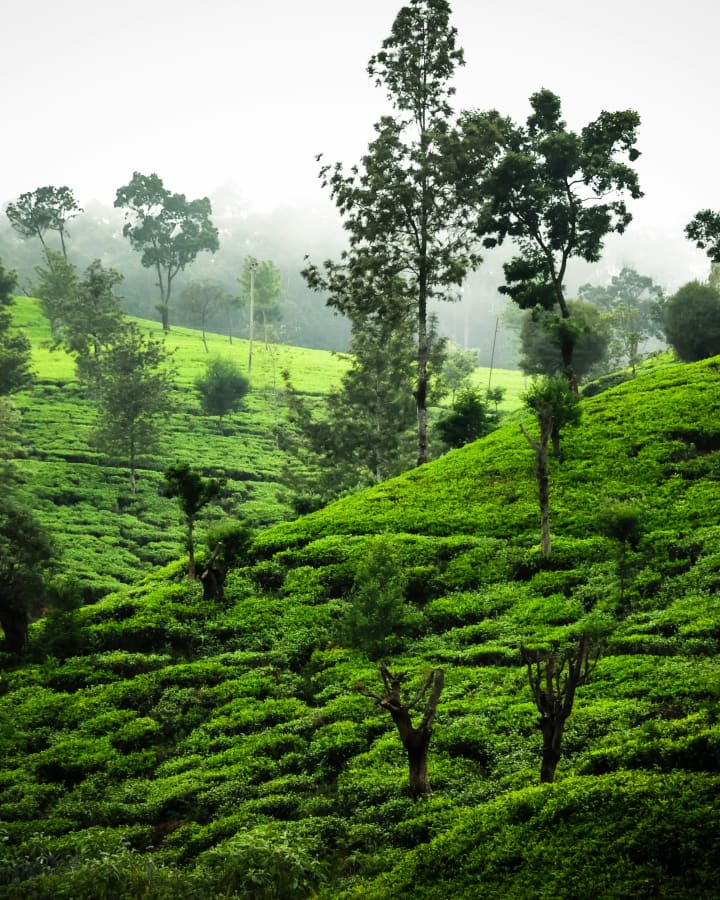
 01 Nuwara Eliya, Sri Lanka
 Tea Country
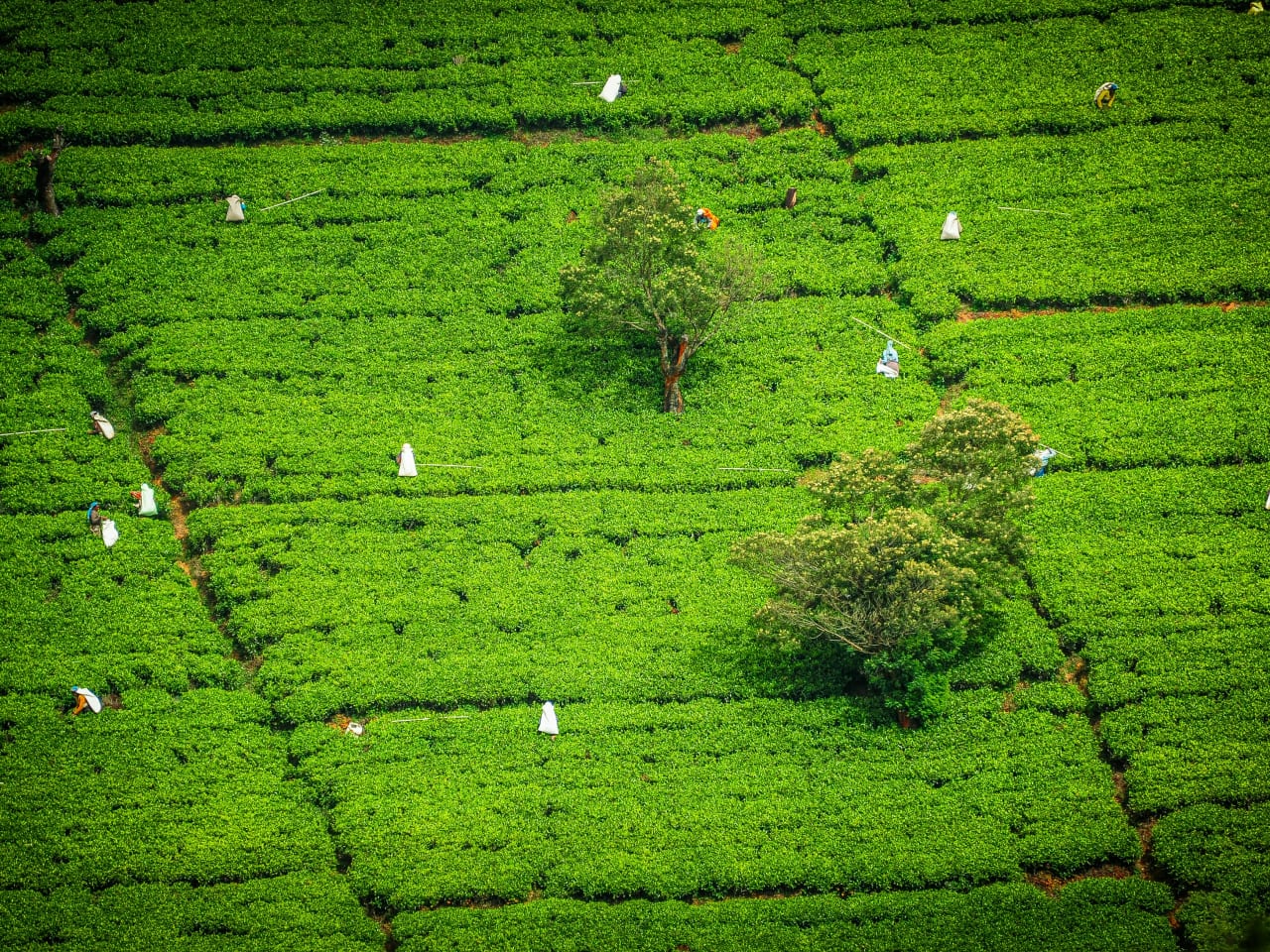
Sri Lanka’s highland tea country reflects the elevation and regional identities behind Ceylon tea.
From Sri Lanka
Discover Ceylon cinnamon, Sri Lankan spices, Ceylon tea, botanicals and tropical fruit through a clearer view of origin, product character and buyer requirements.
Sri Lankan Origin
Elevation, climate and cultivation shape the island.


The island behind the name
Across Sri Lanka, changing elevation, rainfall and agro-climatic regions shape a remarkably varied agricultural landscape—from tea country and spice-growing areas to tropical fruit and botanicals.
Discover the CeyLanka storyFrom landscape to character
Four views into Sri Lanka’s agricultural identity—tea country, spices, tropical fruit and fresh botanicals.
Scroll to explore Swipe to explore 01 Nuwara Eliya, Sri Lanka Sri Lanka’s highland tea country reflects the elevation and regional identities behind Ceylon tea.
 02 Mirissa, Sri Lanka
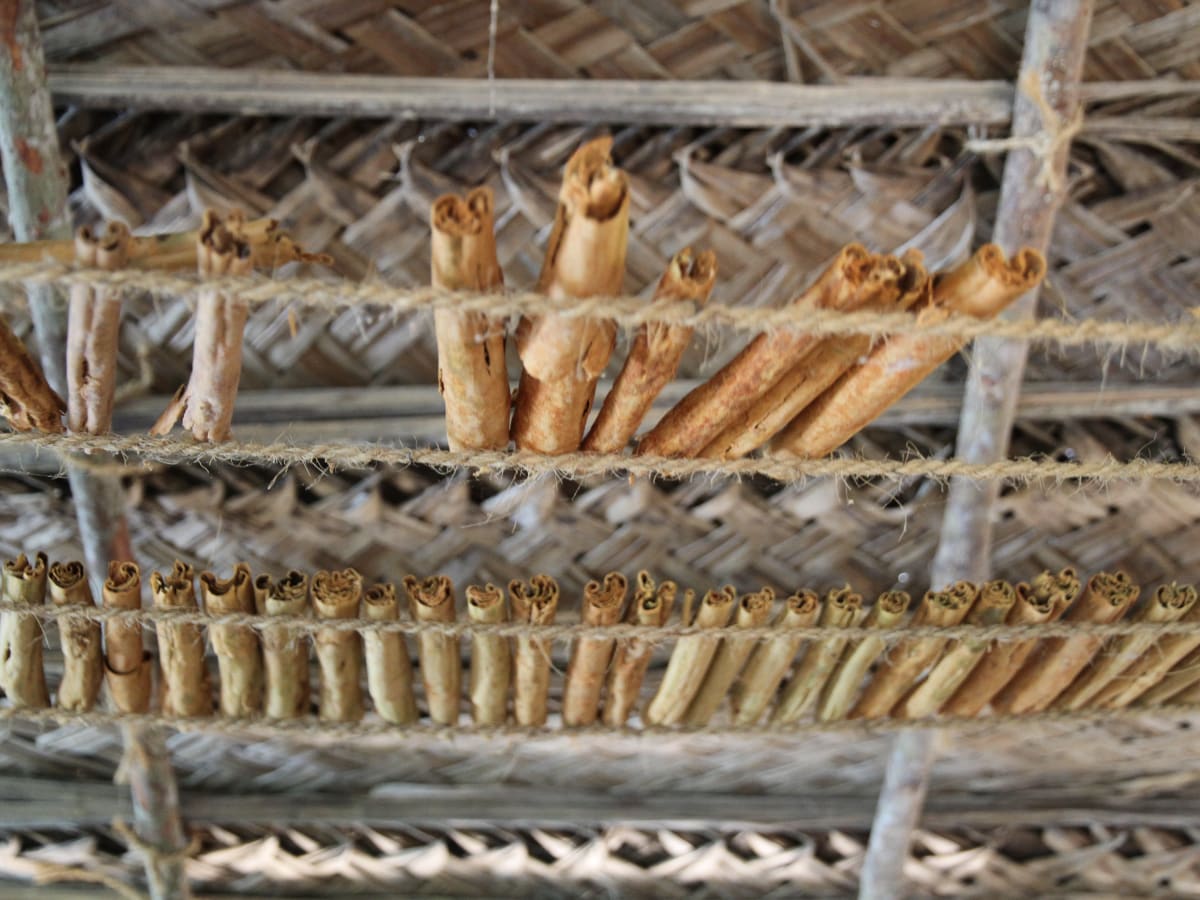
 Cinnamon, pepper, cloves, cardamom and other spices reveal a distinctive part of Sri Lanka’s agricultural identity.
 03 Kandy, Sri Lanka
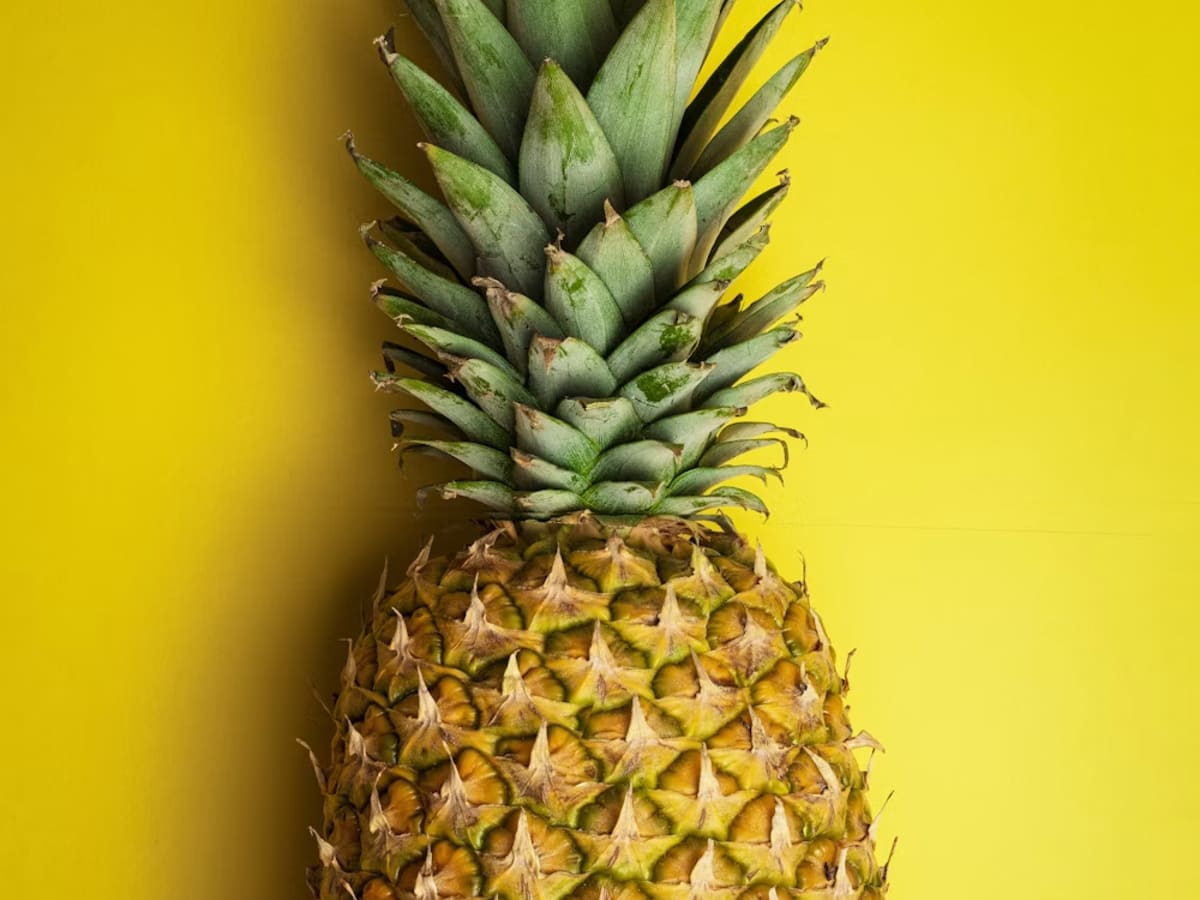
 Pineapple, mango, papaya, rambutan and other tropical fruits add colour and seasonality to the island’s produce.
 04 Badulla, Sri Lanka
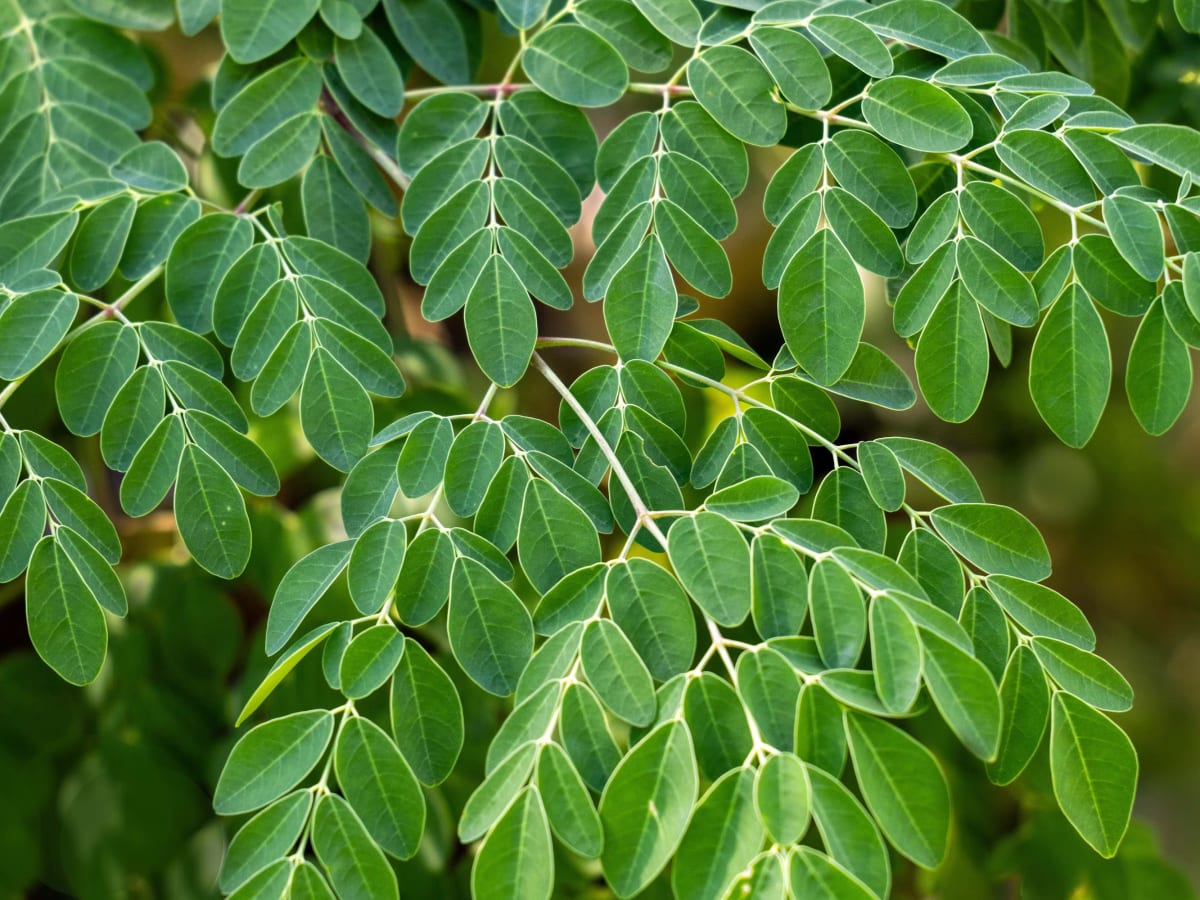
 Moringa, curry leaves, lemongrass and other botanicals extend the island’s natural-product story beyond tea and spices.
For international buyers
Before the quotation
Before a product becomes part of an international supply chain, buyers need clarity around product identity, specifications, documentation, testing, packaging and the requirements of the destination market.
Requirements vary by product, buyer and destination. The information below is guidance, not a substitute for shipment-specific regulatory verification.

Open a topic to review the information that may shape a more precise international sourcing discussion.
Useful points to clarify
Useful points to clarify
Useful points to clarify
Useful points to clarify
These are reference copies of official or export-support documents. Their presence does not mean CeyLanka Naturals holds the registration, certification or approval described in a document. Always confirm current requirements with the issuing authority and the destination market before use.
General exporter guidance and the EDB export procedure set.
General Sri Lankan exporter guidance covering registration, documentation and the export process.
Download PDFA process-map reference covering the exporter journey from registrations and permits through shipment.
Download PDFUse the official language edition appropriate to the reader. We do not create unofficial translations of government material.
Sri Lanka Export Development Board Export Procedure — English edition.
Download PDFSri Lanka Export Development Board Export Procedure — Sinhala edition.
Download PDFSri Lanka Export Development Board Export Procedure — Tamil edition.
Download PDFDepartment of Commerce references covering Certificates of Origin and the EU GSP / REX framework.
Department of Commerce reference covering Certificates of Origin, rules of origin and related exporter procedures.
Download PDFThese resources relate to preferential-origin procedures where REX is applicable. They do not indicate that CeyLanka Naturals is REX registered or that a particular shipment qualifies for preferential treatment.
Instructions relating to registration and certification of origin under the EU GSP Registered Exporter system.
Download PDFExporter-side registration form associated with the REX registration process.
Download PDFOperational form associated with product and HS-code information.
Download PDFReference material relating to the statement-on-origin documentation used within the applicable REX framework.
Download PDFOperational shipment-data form used within the applicable REX administration process.
Download PDFOfficial specimen references for different origin/cumulation situations. The correct wording and eligibility must be confirmed for the actual transaction.
NPQS references relevant to tea, spices, fruits, vegetables and other plant products.
NPQS application reference for phytosanitary certification of relevant plant and plant-product exports.
Download PDFCompany registration form associated with Sri Lanka's Generic ePhyto National System.
Download PDFPhytosanitary conditions are determined by the importing country's requirements and the actual commodity. A downloaded form alone does not establish eligibility to export.
Sri Lanka Tea Board registration reference for tea exporters and packers.
Download PDFDepartment of Commerce reference concerning registration/supporting-document requirements for spices.
Download PDFMinistry of Health / Food Control Administration Unit exporter-registration reference.
Download PDFSLSI pre-export inspection and sampling reference relevant particularly to cinnamon consignments.
Download PDFSLSI process-flow reference for the Pre-Export Inspection Scheme.
Download PDFPractical reference for Sri Lankan suppliers considering agricultural-product exports to the EU. Current destination requirements must still be verified.
Download PDFCustoms procedures, tariff information, HS classifications and ASYCUDA guidance can change. These resources therefore link directly to Sri Lanka Customs rather than mirroring potentially stale copies.
Useful points to clarify
Useful points to clarify
Product. Origin. Requirement. Destination.
A clearer brief makes the first sourcing conversation more useful.Selected from the CeyLanka catalogue
A first look at the range
Start with five anchor products from the CeyLanka catalogue: Ceylon cinnamon, black pepper, Ceylon tea, moringa and pineapple. Availability, specifications, packing and destination requirements are confirmed for the actual enquiry.
Request-based sourcingSri Lankan true cinnamon for international B2B sourcing, with grade, form, packing and shipment requirements confirmed for each buyer and destination.
 02
CL
02
CL
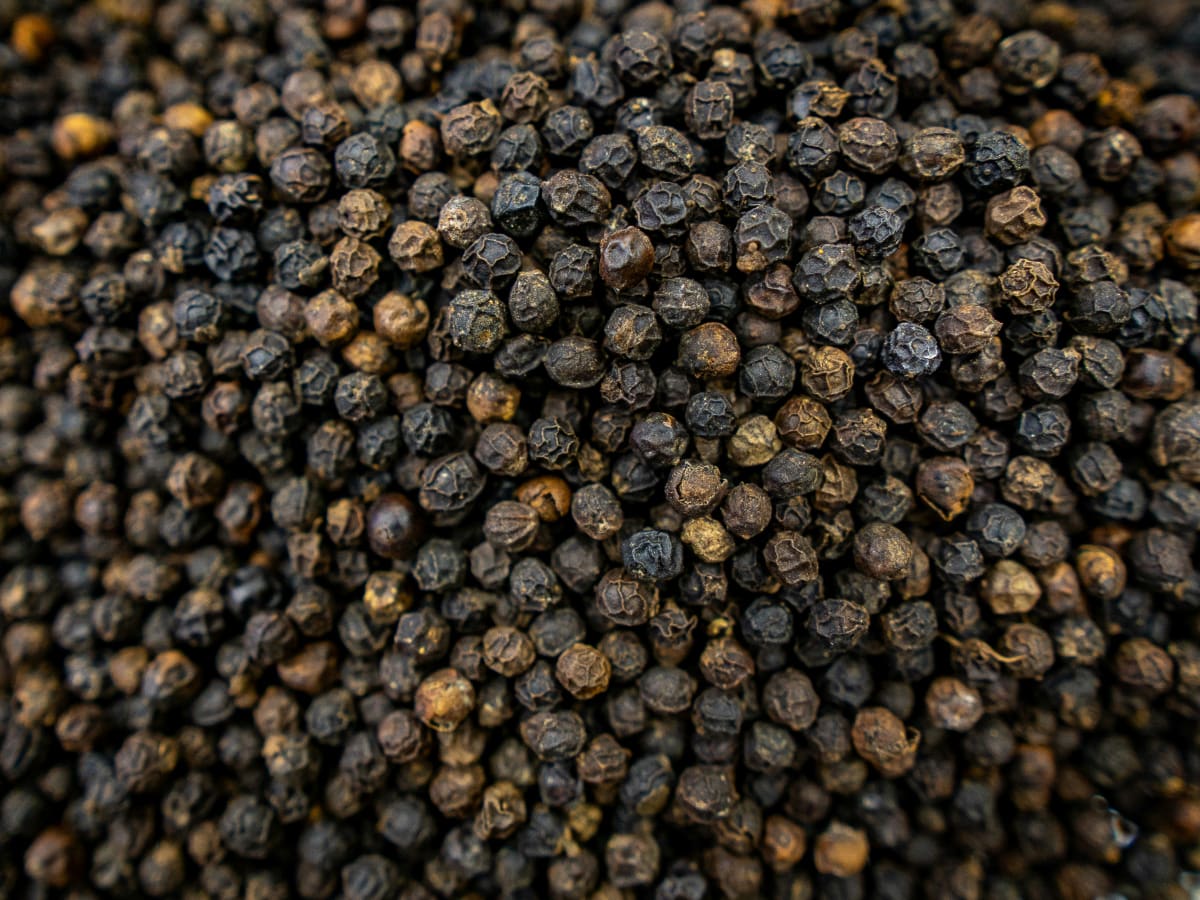
Sri Lankan black pepper for international B2B sourcing, with grade, density, processing form, quality specification, packing and destination requirements confirmed for each enquiry.
 03
CL
03
CL
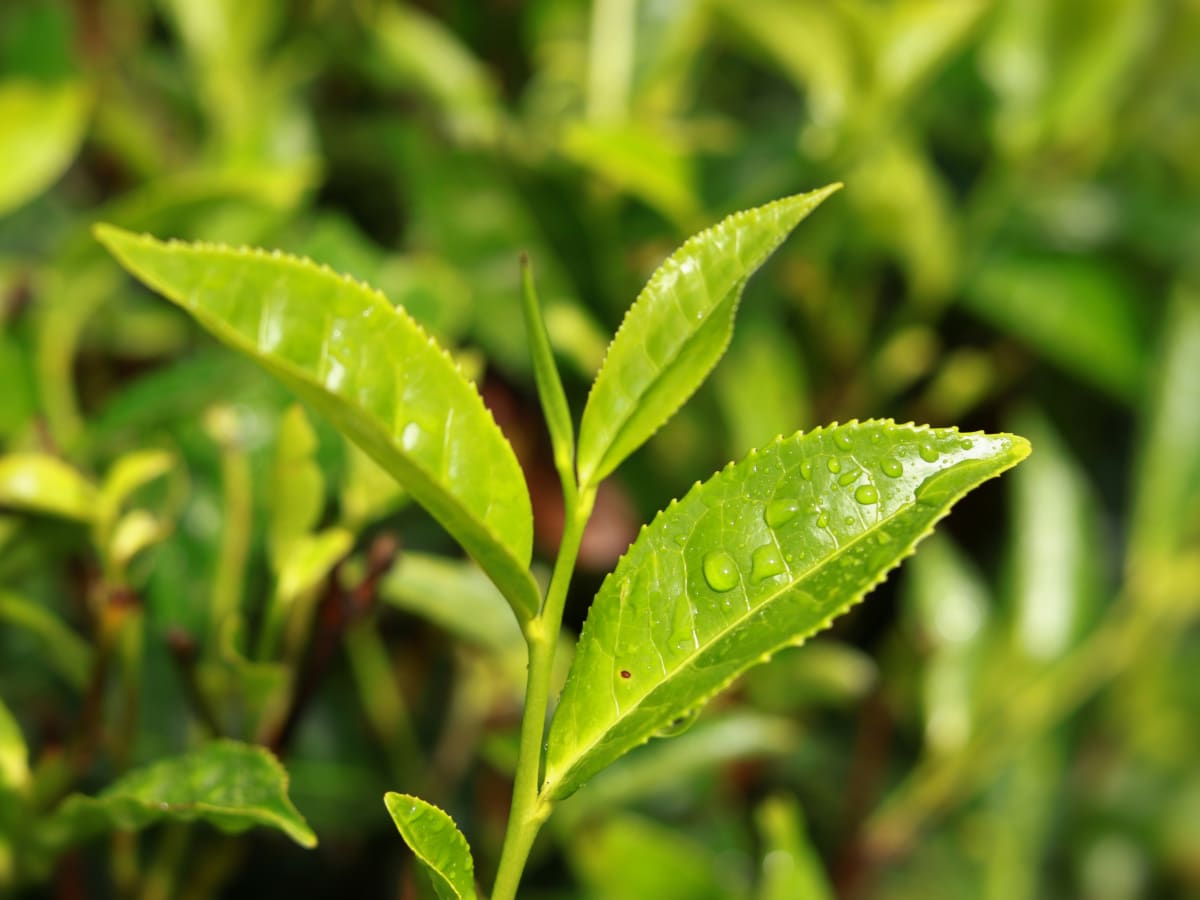
Sri Lankan-origin Ceylon Tea for international B2B sourcing, with tea type, grade, regional character, quality specification, packing and destination requirements confirmed for each enquiry.
 04
CL
04
CL
Sri Lankan moringa for international B2B sourcing, with leaf form, processing, quality specification, packing and destination requirements confirmed for each enquiry.
 05
CL
05
CL
Sri Lankan pineapple for international B2B sourcing, with variety, fruit size, maturity, quality grade, packing, cold-chain and destination requirements confirmed for each enquiry.
Product availability and specifications are confirmed per enquiry.
Pricing remains request-based while origin, quantity, packing, destination and shipment requirements are being established.From product identity to a clearer buyer brief
A clearer sourcing brief
A useful sourcing conversation starts with the product itself: what it is, what form is required, where it is going and what the buyer needs it to meet. Commercial detail follows that brief.
Start with what is needed. Confirm the rest against the actual enquiry.
Commercial and operational details—including MOQ, packing, certifications, lead times and documentation—must be verified for the actual product, destination and requirement.
Stage 01
Start with a precise product identity so the requirement is not built around assumptions.
Stage 02
Set the technical and commercial brief around what the buyer actually needs.
Stage 03
Import conditions, labelling and documentation can change from one market and product to another.
Stage 04
Bring the requirement together before availability, specifications and commercial terms are confirmed.
The first brief
A concise starting brief helps separate known requirements from details that still need to be established.
A new Sri Lankan natural-products story

The story starts here
CeyLanka Naturals is a new Sri Lankan venture founded by Asitha Silva, created to present the island's spices, tea, botanicals and tropical produce with a stronger sense of origin and clearer information for international buyers.
The idea is straightforward: begin with the product, understand what the buyer actually requires, and confirm the details that matter instead of building a sourcing conversation around broad assumptions.
From Ceylon cinnamon and black pepper to Ceylon tea, moringa and tropical fruit, CeyLanka is being shaped as a distinctly Sri Lankan natural-products brand with an international outlook.
This is the beginning of the CeyLanka journey. Rooted in Sri Lanka. Built for what comes next.
What shapes the brand
Clear from the beginningPresent Sri Lankan products with a clearer sense of where they come from and what makes them distinct.
Build sourcing conversations around product details that can be understood, checked and confirmed.
Start with the actual product, specification and destination rather than assuming one solution fits every enquiry.